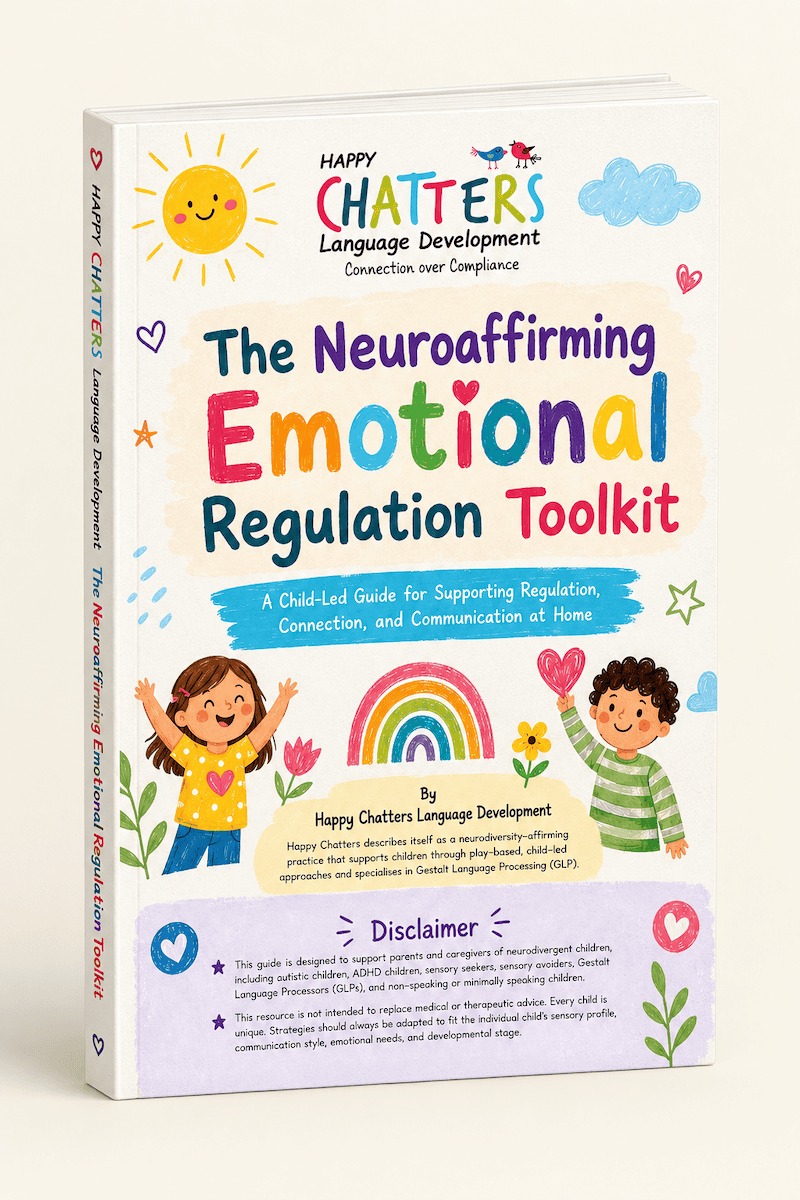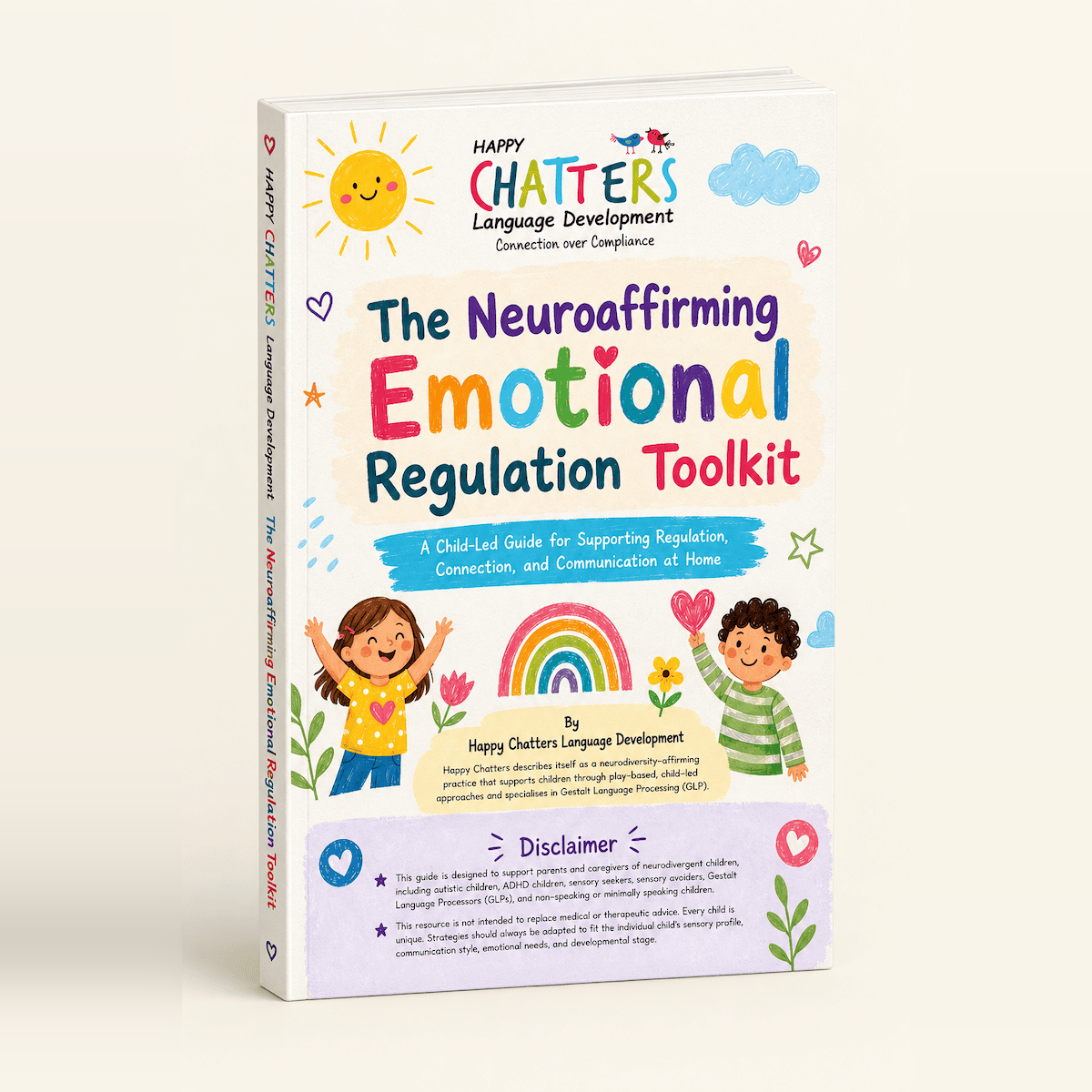
Description
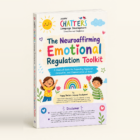
Inside you’ll find:
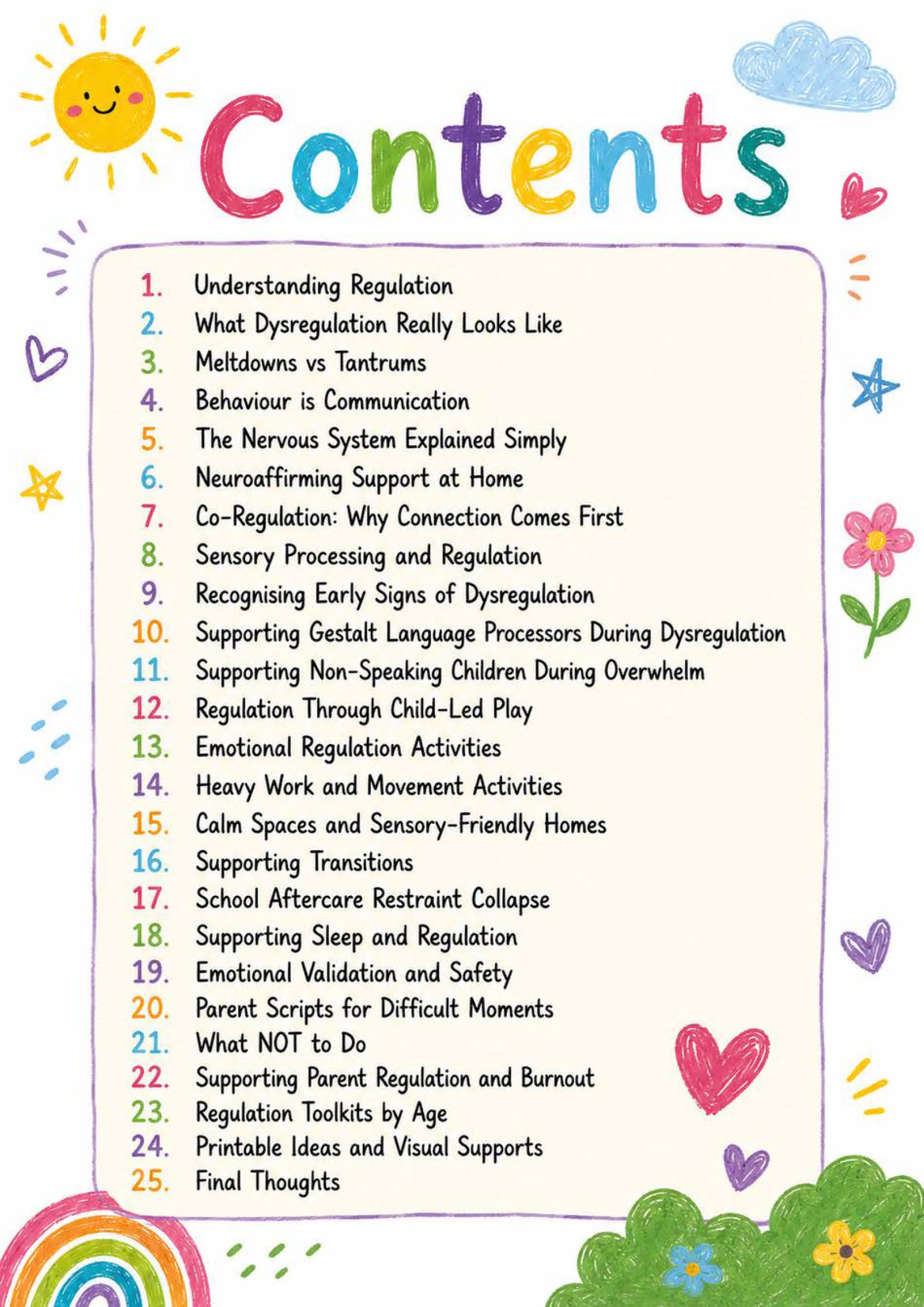
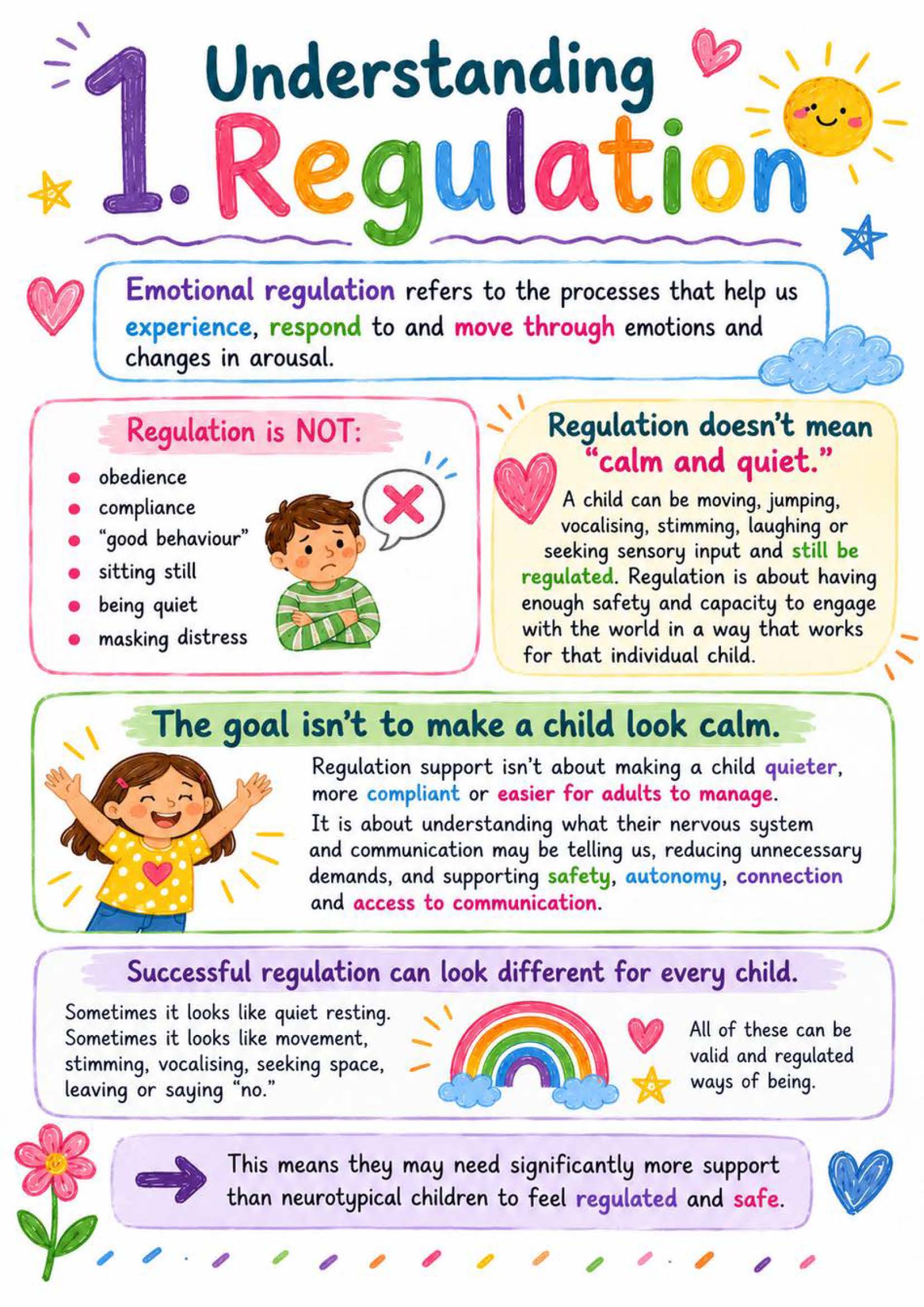
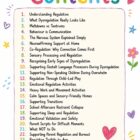
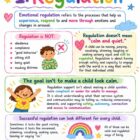
- A clear explanation of regulation, dysregulation, meltdowns vs tantrums, and why behaviour is communication
- The nervous system explained simply, plus co-regulation and why connection comes first
- Sensory processing and how to spot early signs of overwhelm
- Support for Gestalt Language Processors and non-speaking or minimally speaking children during overwhelm
- Child-led play, movement, heavy work, water play and other regulation activity ideas
- Calm spaces and sensory-friendly home ideas
- Help with transitions, after-school “restraint collapse” and sleep
- Emotional validation, plus example phrases for difficult moments
- Approaches to rethink, and support for parent regulation and burnout
- Regulation ideas across different ages
Plus printable tools:
- Visual supports, including a noise meter
- Emotion scales
- A “My Regulation Space” planner
- A sensory preferences checklist
- A “What might help me right now?” board
- First/Then boards, movement idea cards and transition countdowns
All feelings are welcome. All communication is valid. Your child doesn’t need to look calm to be regulated, and regulation is never about compliance.
This guide is for general information and does not replace medical or therapeutic advice. Every child is unique, so please adapt the strategies to your child’s sensory profile, communication style and needs. For personal use only.